Expert tips FROM YOUR SAN DIEGO ROOFING EXPERTS
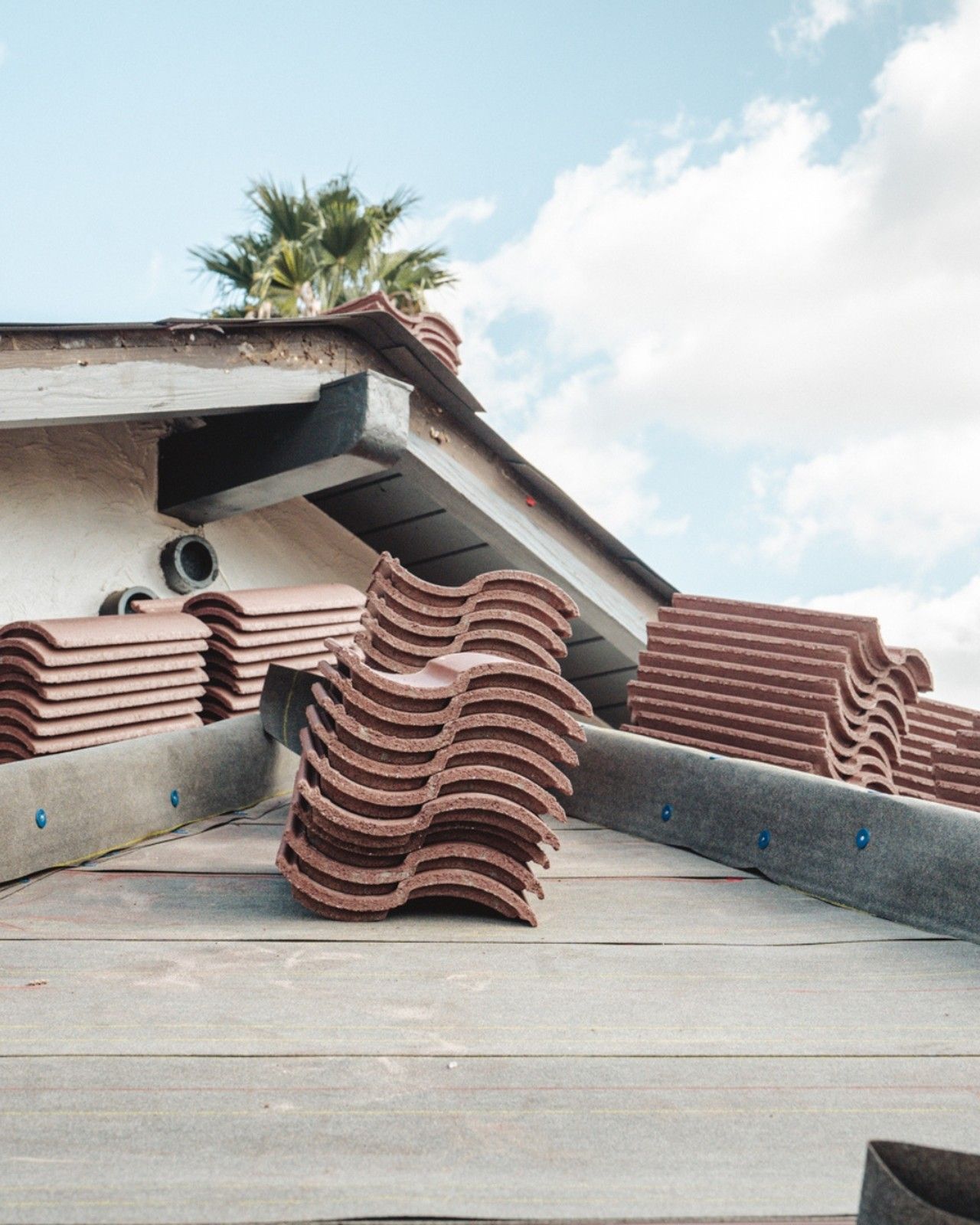
Not sure whether to repair or replace your roof? Learn the costs, signs, and best choice for San Diego homeowners in this 2026 guide.
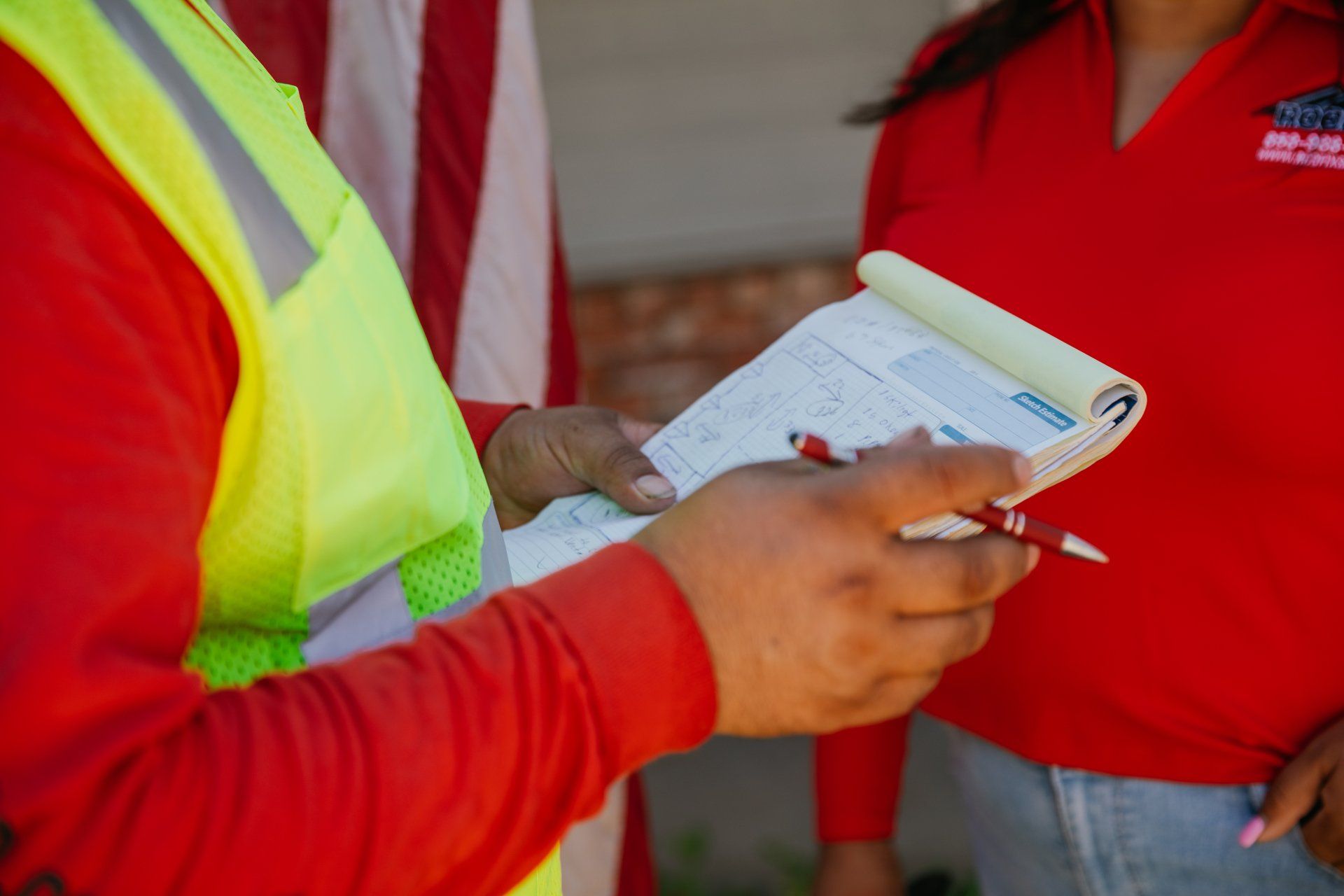
Prepare your home for sale with a thorough roof inspection. Discover key areas to check and repairs that boost value in Southern California.

Southern California may not experience harsh winters like other regions, but seasonal weather still plays a major role in roof performance. In fact, winter is one of the most strategic times for homeowners to schedule a professional roof inspection. While many people associate roofing issues with heavy storms or extreme climates, even mild SoCal winters can expose hidden vulnerabilities. Winter Weather Reveals Hidden Roof Problems Although Southern California winters are relatively moderate, they still bring: Periodic rainstorms Increased moisture exposure Temperature fluctuations Wind events These conditions often reveal issues that remain unnoticed during dry months. Small leaks, compromised flashing, or weakened materials tend to become more visible when moisture is introduced. What may appear to be a minor concern can quickly develop into interior damage if left unaddressed. Catch Small Issues Before They Become Expensive Repairs Roof damage rarely begins as a major failure. Most serious roofing problems start small: Hairline cracks Loose shingles or tiles Worn sealants Minor flashing gaps Winter inspections allow homeowners to detect these early-stage issues before they escalate into structural damage, mold concerns, or insulation problems. Preventative maintenance is almost always more cost-effective than reactive repairs. Prepare for Spring Rains While winter brings occasional storms, late-season rains often continue into spring. Scheduling an inspection early helps ensure your roof is prepared for ongoing moisture exposure. A proactive inspection can identify: Drainage concerns Vulnerable roof penetrations Aging materials Areas prone to pooling water This preparation helps reduce the risk of unexpected leaks during future storms. Better Scheduling and Faster Service Winter is often considered an off-peak season for roofing services in Southern California. This typically means: Greater appointment availability Faster turnaround times More flexible scheduling Waiting until peak demand periods — often after major storms — can lead to longer wait times and delayed repairs. Extend the Lifespan of Your Roof Regular inspections are one of the most effective ways to protect your roofing investment. Identifying wear patterns and addressing minor issues helps extend the functional life of your roof. Without routine evaluations, gradual deterioration can go unnoticed until costly repairs are unavoidable. When Should You Schedule a Roof Inspection? Homeowners should strongly consider an inspection if: Your roof is over 10 years old You’ve experienced recent storms or high winds You notice stains or discoloration on ceilings You’re planning to sell or refinance It’s been several years since your last inspection Even roofs that appear to be in good condition may have underlying concerns. Protect Your Home Before Problems Appear In Southern California, roof inspections are less about reacting to severe weather and more about preventative protection. Winter provides ideal conditions to evaluate your roof’s performance and address vulnerabilities before they develop into major repairs. Roofix SD provides professional roof inspections designed to identify issues early, protect your home, and help you plan for long-term roof health.

Flat vs. pitched roofs in San Diego: Compare costs, maintenance, drainage, and style to choose the best roof for your home or business.

Discover essential maintenance tips and strategies to extend your roof’s lifespan in San Diego. Keep your home protected and reduce costly replacements with Roofix.
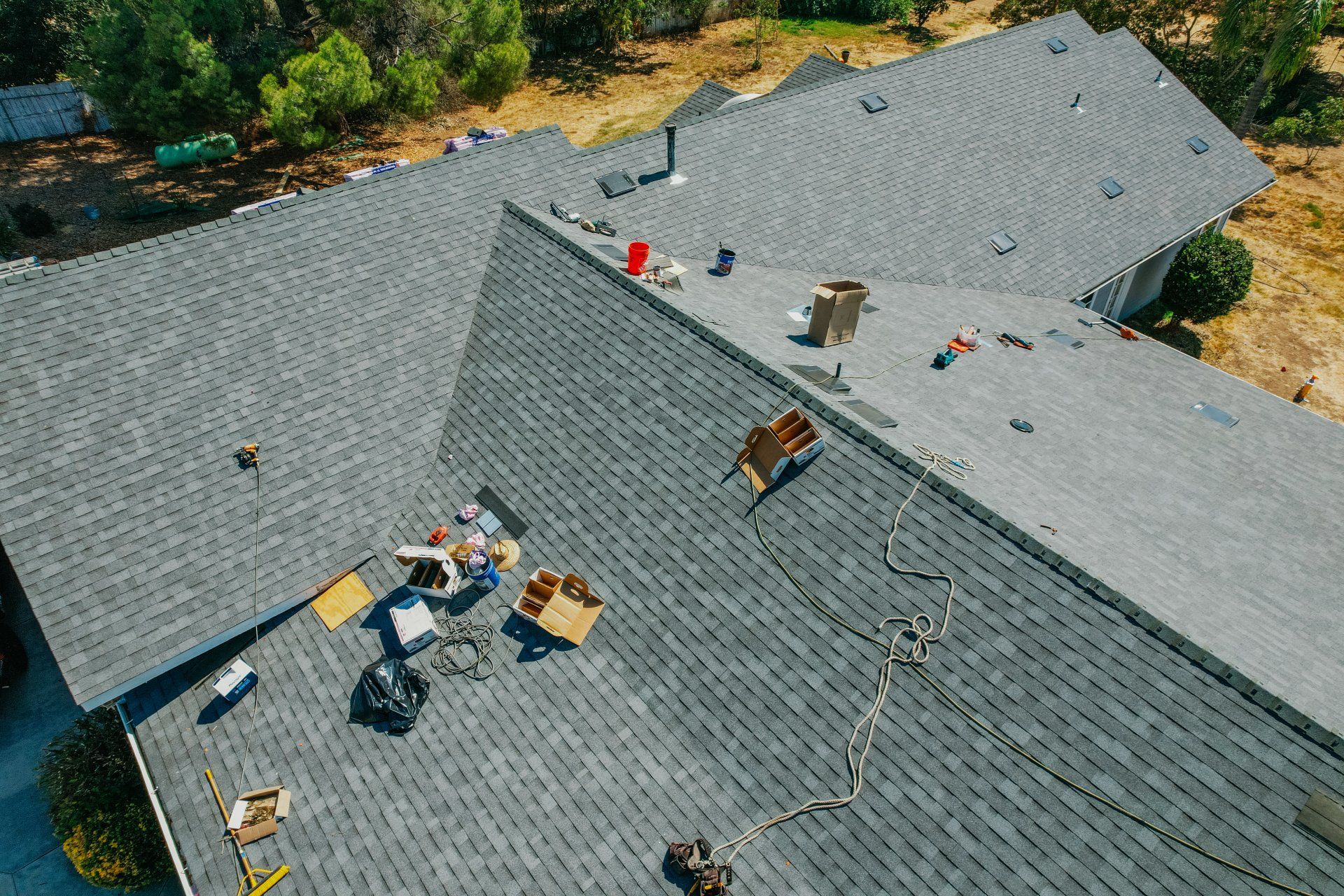
Roofix San Diego explains roofing warranties: what’s covered vs. what’s not. Material vs. workmanship warranties—ask right, protect your roofing investment.

San Diego’s weather is known for its sunshine and mild temperatures, but that doesn’t mean your roof is off the hook. The region’s unique blend of dry summers, salty coastal air, and occasional winter rain can quietly wear down roofing materials over time. Understanding how each season affects your roof, and what you can do to maintain it, can help you extend its life, prevent costly repairs, and protect your home year-round. Summer: Heat and Sun Exposure San Diego summers are dry, sunny, and often accompanied by high UV levels. While the temperatures may not spike as dramatically as in inland deserts, the prolonged exposure to sunlight can still degrade roofing materials over time. How it affects your roof: Asphalt shingles may dry out, crack, or curl. Roofing membranes can blister under intense heat. Metal components (flashing, vents) may expand and contract, loosening seams or fasteners. Summer maintenance tips: Have your roof inspected for signs of heat-related wear, such as brittle or curled shingles. Clean debris off the roof and gutters to prevent fire hazards during dry spells. Fall: Coastal Air and Moisture Even when the rain holds off, San Diego’s fall months can bring fog and heavy morning dew, especially near the coast. Salt-laden air and moisture may not cause immediate problems, but they slowly contribute to long-term roof deterioration. How it affects your roof: Coastal salt can corrode metal flashing and fasteners. Moisture can seep into small cracks or under poorly sealed shingles, especially when combined with condensation. Fall maintenance tips: Inspect metal components for signs of rust or corrosion. Trim back any overhanging branches that can trap moisture or drop debris. Schedule a professional inspection to check for minor issues before the rainy season begins. Winter: Rain and Storm Runoff Though winters in San Diego are typically mild, they often bring periods of steady rain. If your roof isn’t properly maintained, even a few storms can cause severe water damage. How it affects your roof: Small leaks or worn flashing can let water seep into the attic or behind walls. Clogged gutters can lead to water pooling at the roofline, damaging fascia boards or causing rot. Ponding water on flat roofs increases the risk of leaks and structural damage. Winter maintenance tips: Clean out gutters and downspouts to ensure proper drainage. Inspect the roof after each major storm for signs of pooling, leaks, or missing shingles. Repair or replace damaged flashing and reseal vulnerable areas around chimneys, skylights, and vents. Spring: Time for Repairs and Prevention Spring is the ideal time to assess any damage from the winter months and prepare for the dry season ahead. It’s also a good opportunity to take proactive steps to help your roof improve through the next cycle. Spring maintenance tips: Schedule a comprehensive roof inspection to identify any wear and tear. Replace damaged or missing shingles before summer heat makes repairs more difficult. Check attic ventilation to prevent heat buildup and moisture retention during the coming summer months. Final Thoughts While San Diego doesn’t experience extreme weather like snowstorms or hurricanes, the combination of sun, salt, and rain can still take a toll on your roof. By understanding how each season affects your roof and performing regular maintenance, you can protect your home, avoid surprise repairs, and extend the life of your roofing system. If you’re unsure about the condition of your roof or need help with seasonal maintenance, the team at Roofix Inc is here to help. We offer professional inspections, routine upkeep, and expert repairs tailored to San Diego’s unique climate. Contact us today to schedule your seasonal roof checkup.
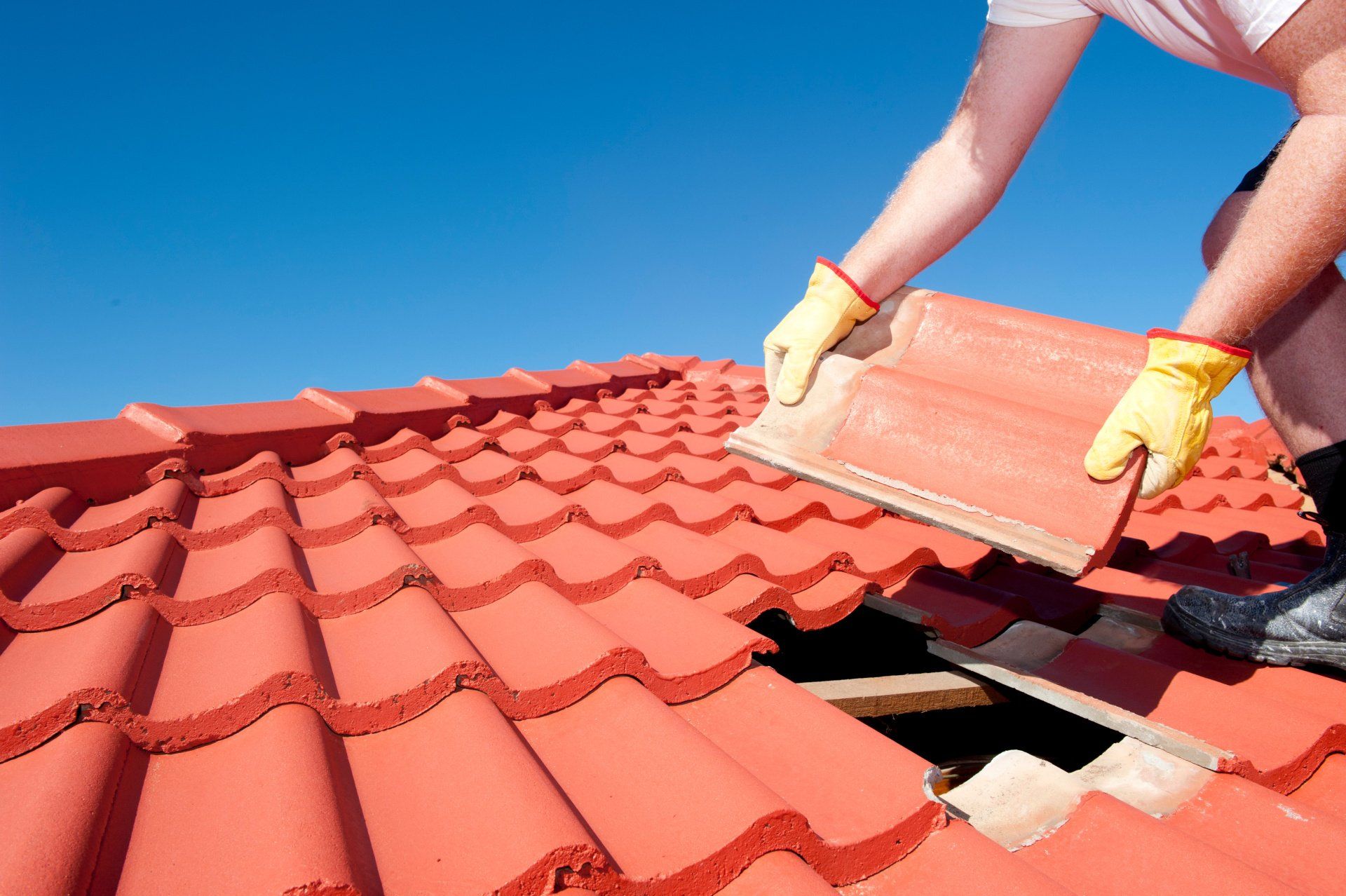
Delaying repairs leads to major damage, high energy bills, and a costly roof replacement cost. Fix small issues now to save money and protect your home.
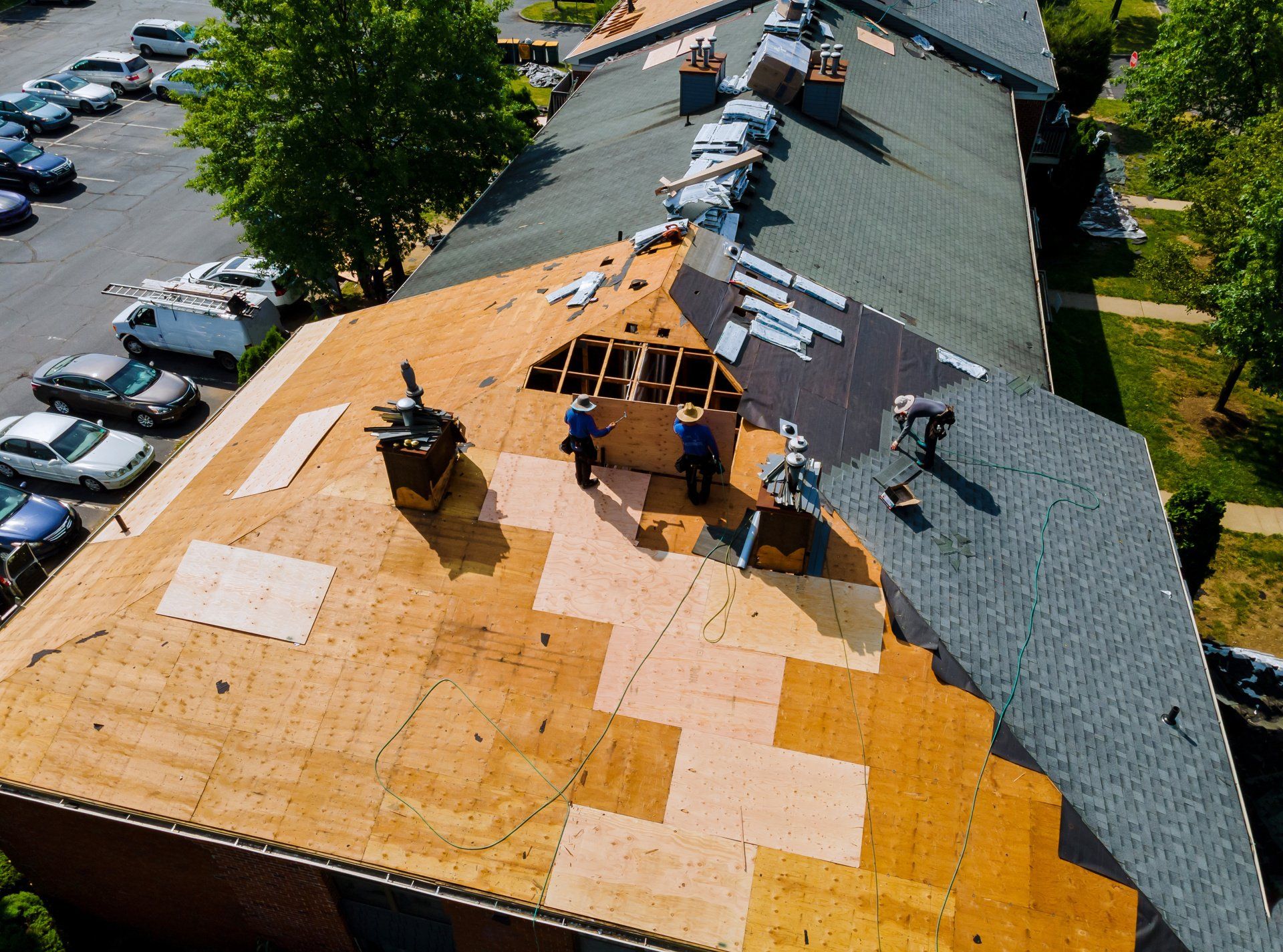
Learn how to choose a roofing contractor in Carlsbad, Oceanside & Encinitas. Get tips on hiring the best local pro for your home.
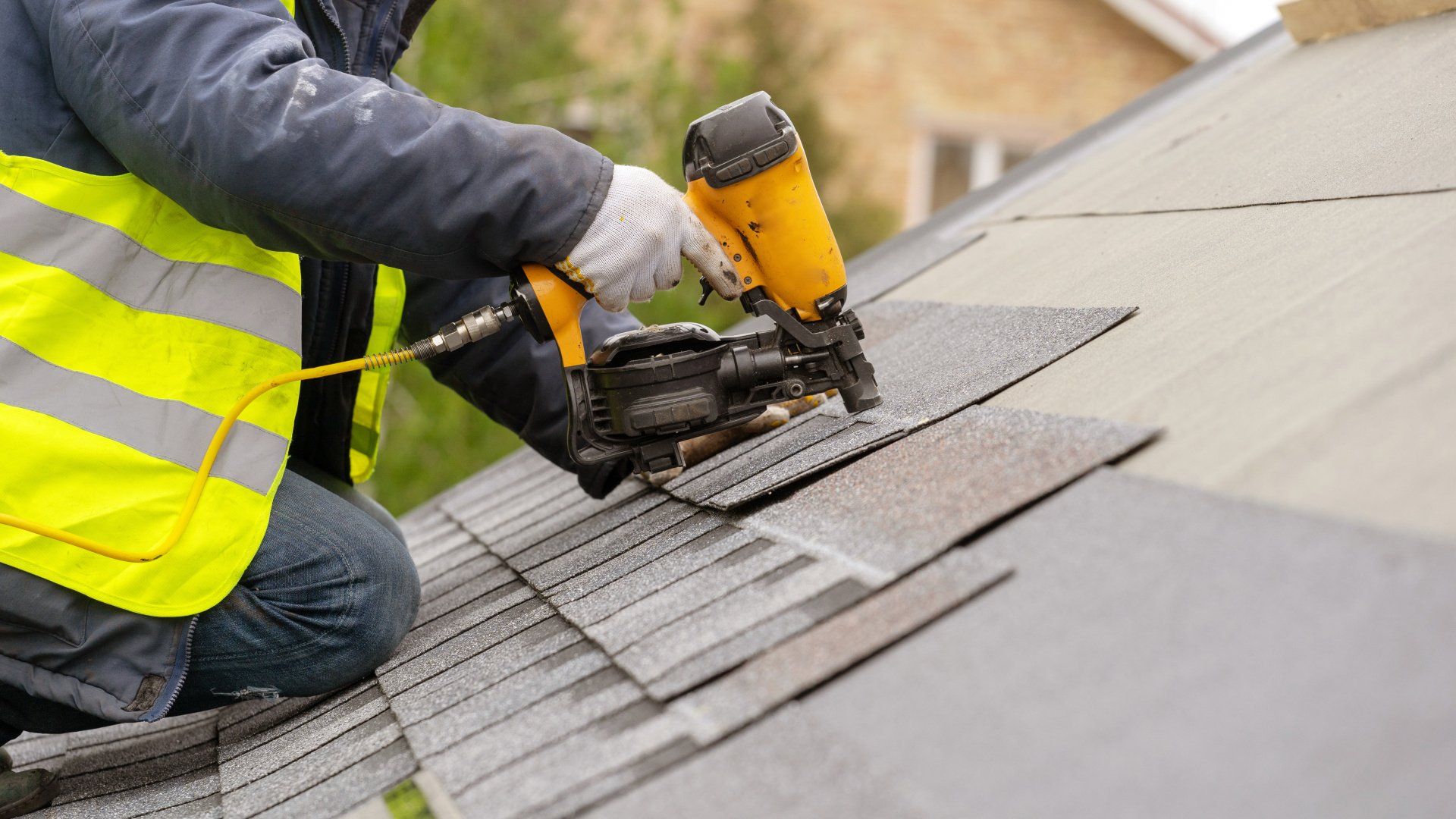
Delaying repairs leads to major damage, high energy bills, and a costly roof replacement cost. Fix small issues now to save money and protect your home.